
Your Carpet is A Big Dust Filter
Find out more about how your carpet is cleaning your air (or not).
Evan Whitehall
4/22/20262 min read
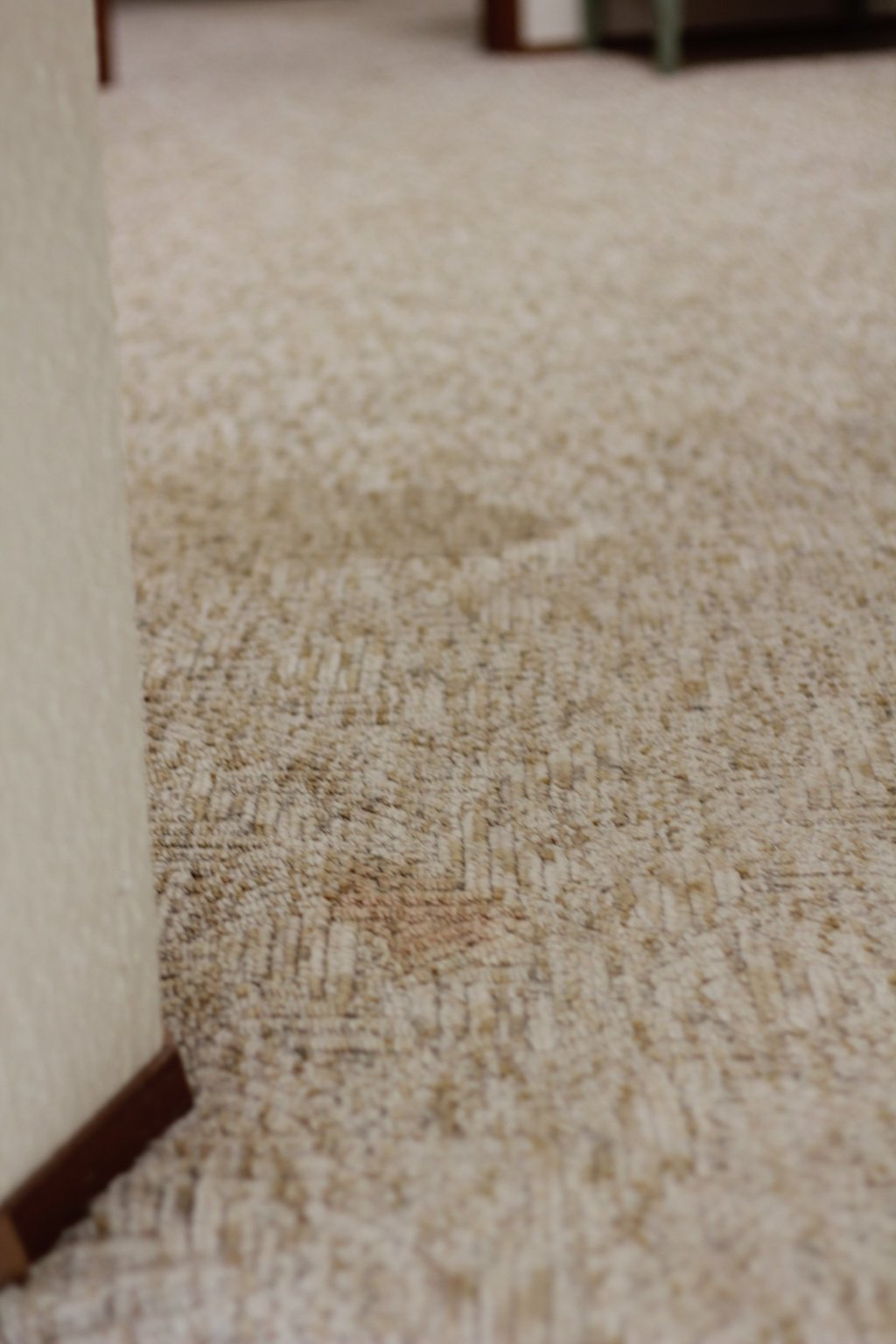
Carpet serves as a floor, an occasional napping surface, an artistic statement, and more.
Depending on how you look at it, your carpet is also a dust filter.
Think about airflow in the building you're in right now:
Every textile you can see is a filter. Your clothes, furniture, upholstery, blankets, and especially your carpet will grab ahold of any airborne particles and remove them from the air you breathe. (EPA)
Carpet grabs onto every piece of soil that floats onto it. It holds on until it's vacuumed or extracted away.
With that in mind, the carpet in your home is designed for airflow to pass through it, past the backing, and through the padding beneath, and back out through the carpet fibers. The airflow keeps the fibers dry, and it traps airborne soils.
Your carpet is a big ol' filter that you walk on. So, what exactly are carpet fibers catching and grabbing ahold of?
Mostly skin. Dead skin cells, to be exact. Other stuff, too. None of it awesome. But besides sand and dirt, hair and dead skin cells from humans and pets make up the majority of organic soils in carpets.
These particulates circulate in your environment and eventually settle in carpet backing at the bottom of the fibers, where they're held until removed. So do cooking and skin oils and food, and they all get smashed into carpet fibers when footsteps hit the surface.
These soils gum up your carpet.
In effect, the sticky soils decrease your carpet’s capacity to filter air because they prevent the little, microscopic airways from forming between fibers. These bitty airways are what make the free flow of air and filtering action in your carpet possible.
Even the most high end carpets (wool) will eventually get full of soil and fail to capture new soil. Lower-end carpets fill up relatively quickly, in as little as 6 months. All carpets fill up with soil, eventually.
That’s why annual carpet cleaning using hot water extraction is recommended by carpet manufacturers. It gets soil completely out when done properly.
A high-end vacuum will remove some of the soils and it's the best thing you can do to fight the fight...but it's not enough to recover filtering action from soiled carpets.
However, there’s no need to tear your carpet out if soiling gets out of hand!
Heat, chemical surfactants, scrubbing, and patience can recover soiled carpet. It's what SafeTech does.
Deep cleaning restores most of the filtering capacity of carpet by freeing soils from fibers' hold. A qualified carpet cleaning professional can also get a soiled carpet looking great and as close to new as possible.
It’s always best to have soils extracted on an annual schedule to stay ahead of excessive soiling. Your carpet will keep its good qualities for longer. You never have to spend a day with non-filtering carpet.
A professional carpet cleaner ends up costing about the same as a DIY job, but it saves the headache of picking up and dropping off equipment, research, and the sweat required to do the job to the point where carpet is soil-free.
Also, most attempts at DIY carpet cleaning don’t end like most people hope for. Proceed with caution, or just call us.
Whether you do it yourself, or you have a pro do it, make sure to keep your carpet clean and the filtering capacity of your carpet as high as possible to safeguard your breathing environment.
Stay vigilant with the vacuuming, and schedule your maintenance cleanings and extractions with SafeTech in Ocean Shores, WA to keep your air as clean and fresh as possible.