
How to Clean Faster, Easier, and Safer
Don't just mix it stronger! Understand these concepts to develop novel cleaning strategies for tough problems in your home and business.
Evan Whitehall
6/28/20263 min read
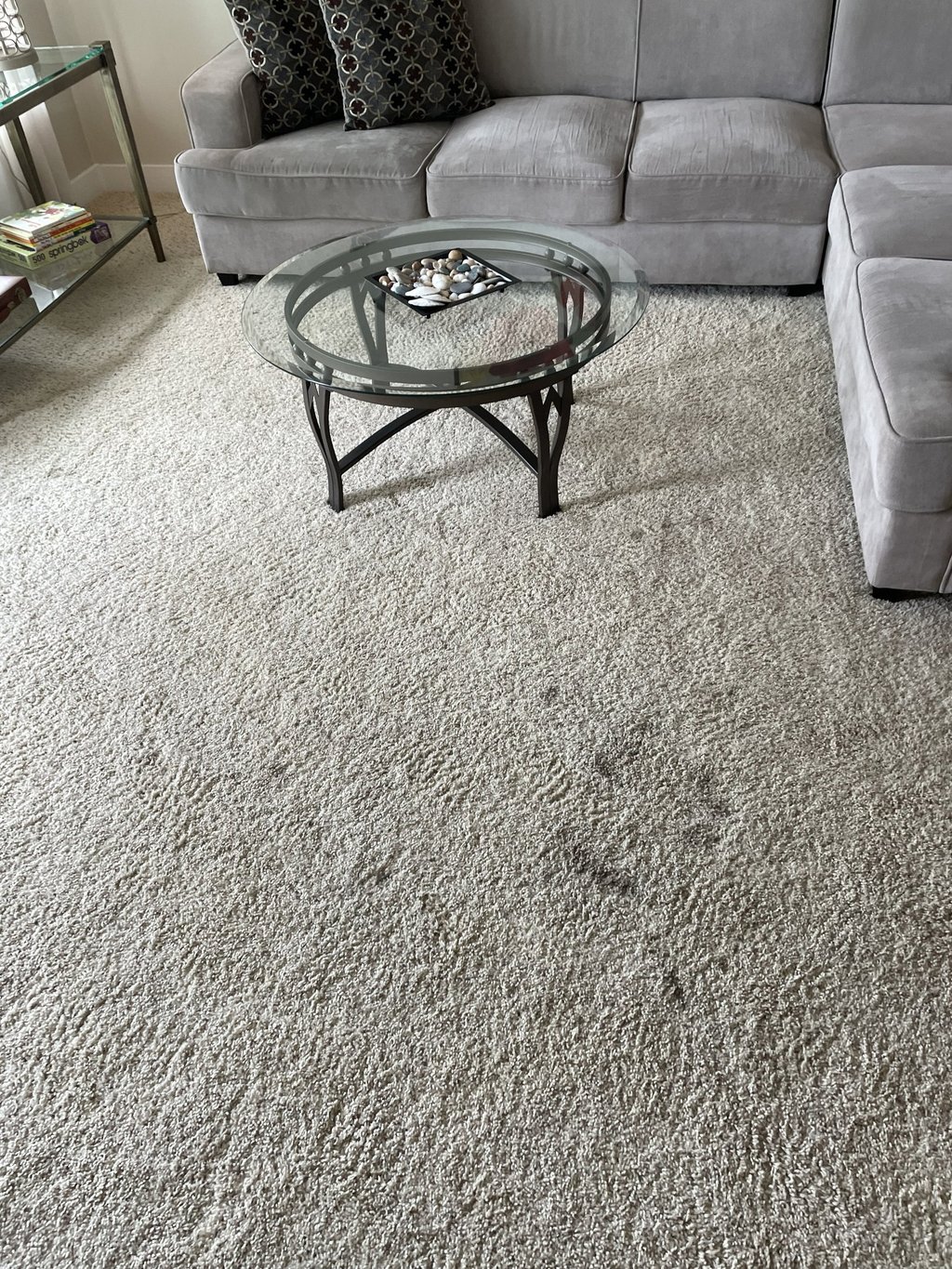
When you run into a mess that won’t clean up, it’s not always best to reach for stronger cleaners.
Throwing more chemicals at a problem can work in some situations, but it can also work like bombing North Vietnam…it’s a lot of work that ends up making the problem worse.
There’s a better way to increase your cleaning power whether you’re cleaning carpet, scrubbing your toilet and tub, or getting that nasty oven or fridge back into shape.
It’s important to understand the synergy between chemistry, temperature, time, and agitation.
Chemistry is the magic where the mess is rendered cleanable. When you select your chemical according to the stain and the surface getting cleaned, the whole process is made easier. More on this later.
Temperature increases or decreases the efficacy of the chemical you choose (2x for every 10 F increase in temperature). Hot water gets a stronger, faster cleaning result.
Agitation is the mechanical means by which the chemical surfactant is introduced to the surface (a.k.a. scrubbing). Just water and a brush can do a lot!
Time is an inexorable mystery. But regarding cleaning power, it refers to the chemical exposure time on the dirty surface. Longer exposure gets you more power.
You can tweak each element as needed and keep yourself out of trouble in most cases.
For example, a wool area rug gets ruined in hot water, and the wool fibers will disintegrate with high Ph chemicals. Too much agitation will also unseat the fibers and ruin it. That takes away 3 cleaning powers.
Therefore, dirty wool rugs require lots of time and soft agitation with neutral chemicals and cold water to be safely cleaned. It’s a painstaking, labor-intensive process.
Conversely, an oven interior is made of coated steel that can take abuse. You can throw the most high-octane alkaline cleaner at a messy oven and leave it to dwell for a long time and not damage anything.
You can also make the oven hot and super-charge your chemicals and scrub it with aggressive brushes to get stubborn grime lifted. Cases like dirty ovens call for full power in all aspects to get results, and you can pull it off because the oven can take it.
There are lots of examples in between, and each case has a few different options that you can play with when you're up against limitations.
In the oven example, let's say you only had dish soap (a mild alkaline cleaner) and a sponge. You could heat water and continuously soak and scrub the grime until it’s done. It might take a long time, but it’s an option to safely clean an oven.
When you lack in one aspect, you can try to balance it with another.
Chemistry is the most complicated part of the equation and the part that can save the day or cause the most problems. Let’s demystify it a little bit:
Chemical cleaners are either acidic, alkaline, or neutral. Ph is sometimes marked on containers, and sometimes not. Neutral Ph is 7. Lower Ph is Acid (0-.6999) and higher Ph is alkaline (7.1-14).
The Ph scale is not linear…it’s logarithmic. That means that an increase or decrease in one Ph number leads to a difference in power of a factor of 10.
If you’re using a chemical that is an 8 Ph and is too weak to clean up the mess, you might increase the alkalinity to a 10. However, a Ph of 10 is 100 times more alkaline than a Ph of 8.
This can be counter-intuitive and important to know before going wild with stronger cleaners.
Too much power can cause severe damage to you or your surfaces. Dial up or down Ph slowly, and only when it’s proven that it’s the correct move. Sometimes, research and testing are required to find what will work for your particular situation.
The simple rule: If a stain is acid, use alkaline. If a stain is alkaline, use acid.
A strong acid mess requires a strong alkaline cleaner, and a weak acidic mess only needs a weak alkaline cleaner and vice versa.
Stains like milk, coffee, and vomit are acidic in varying degrees. That means they need an appropriate-strength alkaline chemical to start breaking down the molecular basis of the mess and neutralize it to the point where it can be wiped up or extracted.
Conversely, alkaline stains like pet urine and facial cleansers call for acidic chemicals to neutralize them before they can be cleaned up.
Once the proper chemical is selected, you can dial up cleaning power with time, heat, and agitation.
When you choose your approach thoughtfully, you can clean anything relatively easily without damaging it.
When you get blocked or stumped don’t give up…attack the mess from a different angle.
The solution exists!
If you need some help figuring it out, call us at 360-310-0784. We'll help you find the solution that fits best.